Funky Retro Font for Business
As a small business owner, every detail of your brand matters. From the colors you choose to the fonts you use, consistency is key to building trust and recognition. Funky Retro is a vintage-style handwritten font that brings a unique flair to your design work, making it perfect for branding, marketing, and customer-facing materials.
What Makes Funky Retro Stand Out
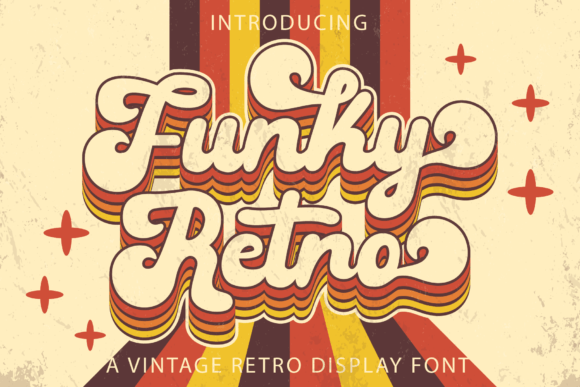
Funky Retro has a distinct personality. Its retro vibe adds a touch of nostalgia while maintaining a modern edge. The font’s flowing lines and playful curves make it ideal for businesses looking to stand out in a crowded market. Whether you're running a boutique, a café, or an online shop, Funky Retro can help your brand feel more authentic and approachable.
This script font works well for logos, headlines, and display text where visual impact is important. It’s not just about looking good—it’s about creating a lasting impression that resonates with your target audience.
Real-World Applications for Funky Retro
Imagine using Funky Retro on a bakery logo. The font adds a warm, inviting feel that complements the cozy atmosphere of your store. Or picture it on handmade candle labels—its vintage charm matches the artisanal quality of your products. For a beauty brand, Funky Retro can give packaging a stylish yet personal touch that sets it apart from mass-market competitors.
Business cards, product labels, and packaging design are all areas where Funky Retro shines. It helps create a cohesive look across all your materials, ensuring your brand feels unified and professional. Even small details like thank-you cards or stickers can benefit from this font’s expressive style.
On digital platforms, Funky Retro works well for social media graphics, website banners, and email newsletters. It adds character without overwhelming the design, making it a versatile choice for both print and online use.
When to Use Funky Retro
Funky Retro is best used as a headline, logo, or display font. It’s not meant for long paragraphs of body text, but rather for short phrases that need visual emphasis. Think of it as a tool to draw attention and add personality to your designs.
Pair it with a clean sans serif font for balance. A modern, readable typeface like Helvetica or Arial can complement Funky Retro’s ornate style, making your designs more legible and professional. This pairing works especially well for web design, where clarity is essential.
For a more classic look, try pairing Funky Retro with a serif font like Georgia or Times New Roman. This combination gives your brand a timeless feel that still feels fresh and creative.
Readability and Practical Considerations
While Funky Retro is visually appealing, it’s important to consider its readability. On small labels, mobile screens, or printed packaging, the font should remain legible at different sizes. Test it in various contexts before finalizing any design to ensure it works well in real-world settings.
For example, if you’re using Funky Retro on a product label, make sure the text is large enough and spaced properly. Avoid overcrowding the design, as this can make the font harder to read. Similarly, when using it on social media thumbnails, keep the text concise and centered to maintain visibility.
Testing the font across different platforms and mediums is a smart move. Print a sample or view it on multiple devices to see how it looks in practice. This step can save time and prevent last-minute adjustments later on.
Font Pairing Tips
When working with Funky Retro, think about how it interacts with other elements in your design. A bold, decorative font like this one needs a strong supporting typeface to balance it out. A simple, clean font can provide contrast and improve overall readability.
For instance, if you’re designing a menu for a café, pair Funky Retro with a sans serif font for the item descriptions. This creates a clear hierarchy that guides the reader through the content. The same principle applies to website headers, email subject lines, or digital ads.
Experiment with different combinations to find what works best for your brand. The goal is to create a visual identity that feels cohesive and professional, while still reflecting your unique style.
Commercial Licensing and Usage
Before using Funky Retro on any business materials, make sure you understand the commercial licensing terms. Depending on the font provider, there may be restrictions on how you can use it for products, packaging, templates, or client work.
Always check the license agreement to avoid legal issues down the line. If you’re using the font for digital downloads or merchandise, ensure you have the proper rights to do so. This step is crucial for maintaining the integrity of your brand and avoiding potential conflicts.
By following these guidelines, you can confidently incorporate Funky Retro into your design workflow, knowing it aligns with both your creative vision and business needs.
Enhance Your Brand with Funky Retro
Funky Retro is more than just a font—it’s a tool for building a stronger, more recognizable brand. Its vintage style adds character, while its versatility makes it suitable for a wide range of business applications. Whether you’re designing a logo, creating social media content, or updating your packaging, this font can help elevate your brand’s visual identity.
With careful planning and thoughtful pairing, Funky Retro can become a key element of your brand’s design system. It helps create a consistent look that feels professional, memorable, and aligned with your target audience.
Take the time to explore how this font can fit into your existing materials. You might be surprised by how much of a difference a single typeface can make in the way your business is perceived.